Chima

Built an enterprise AI revenue platform solo — delivering voice, chat, and email agents for B2B companies. I owned the full stack, from multi-agent workflow orchestration to CRM integrations and automated outreach pipelines.
Multi-Agent Workflow Orchestration
Engineered a multi-agent workflow orchestration system with a drag-and-drop React Flow visual builder and an AI assistant that generates workflows from natural language, shows chain-of-thought reasoning, and creates agent connections in real-time.
Automated Lead-to-Deal Pipeline
Created an automated pipeline capturing data from voice and chat agents, enriching leads via agentic browser research with real-time session streaming, generating personalized outreach, and surfacing results in a built-in CRM with third-party sync.
Brand Personalization Pipeline
Designed an end-to-end brand personalization pipeline that extracts brand identity from URLs, generates brand kit images using Nano Banana Pro, feeds assets to Claude for campaign email templates, and delivers via a drag-and-drop email builder.
Self-Service Agent Platform
Architected a self-service platform for AI agent customization with configurable voices, models, instructions, knowledge base, custom tools, and one-click integrations with NetSuite, Salesforce, and QuickBooks.
Competitor Intelligence System
Implemented a competitor intelligence system with scheduled monitors for pricing changes, product launches, and funding announcements, custom web extractors with change detection, and automated email alerts.
Reflection
Chima made me rethink how software gets built. I had never shipped a production application from scratch, but with AI tools like Cursor and Claude, I took a product from zero to a full enterprise platform solo in two months. No specs, no design system, no existing frontend. I had to figure out what to build, how it should look, and how non-technical users would actually use it, all at the same time.
The biggest challenge was making a self-service AI platform feel delightful to people who had never even used ChatGPT. Every feature had to feel intuitive, not just functional. The workflow builder needed to feel like dragging sticky notes, not wiring a circuit board. The CRM had to surface the right insight at the right moment without burying users in dashboards. I obsessed over the AI user experience: showing chain-of-thought reasoning, streaming deep research steps in real time, surfacing why an agent made a decision, not just what it decided. Those details are the difference between software users trust and software they abandon.
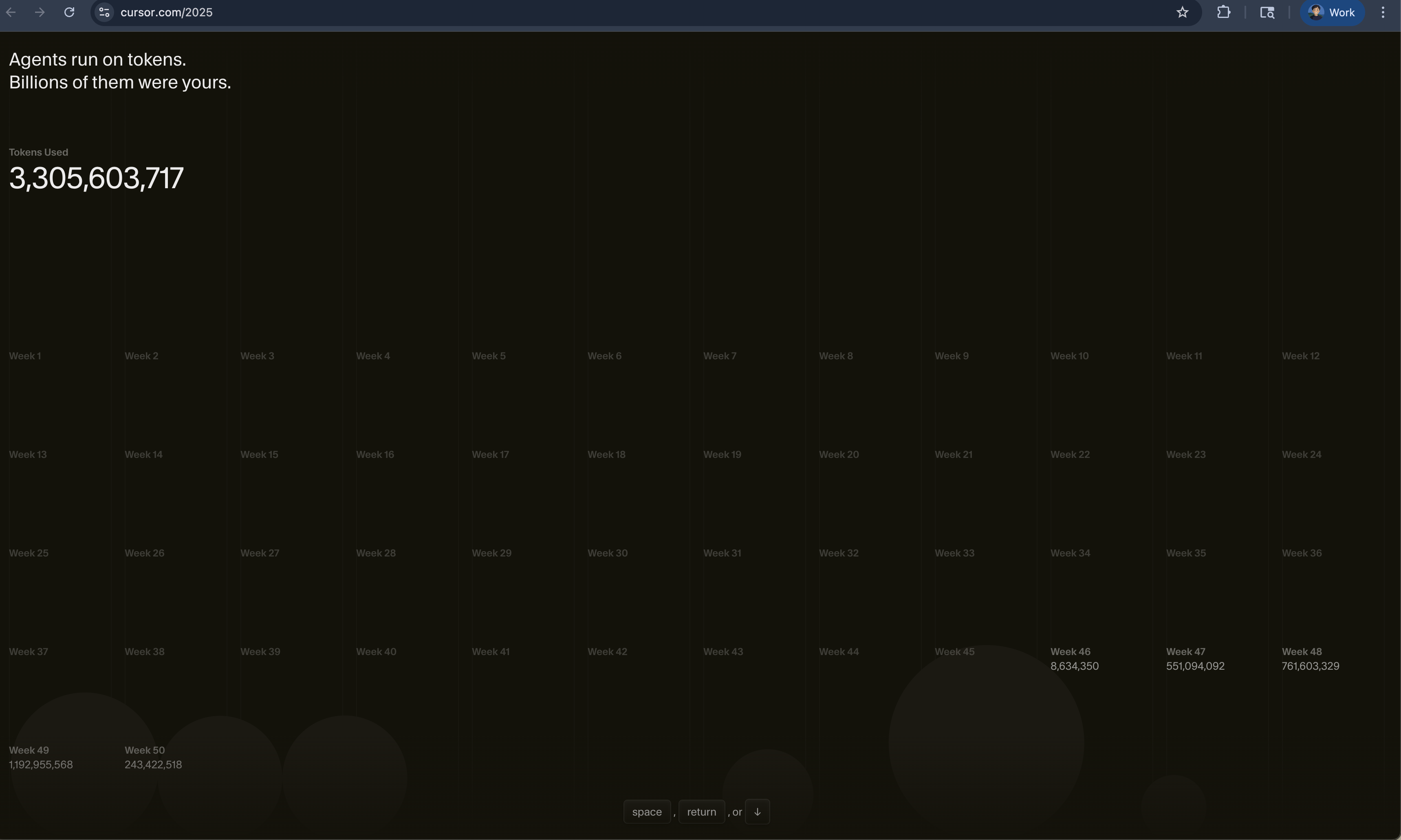
Vibecoding became my design process: I'd prompt AI to generate UI variations, swap layouts live, test interaction patterns, and iterate until the flow felt right. Writing code with AI is the easy part. The hard part is knowing what to build, planning the right architecture, figuring out which pipeline actually works, and validating that it holds up. I used AI as a thinking partner for those decisions, and that's where the real leverage was. In roughly five weeks I burned through 3.3 billion tokens.
What I took away from Chima is that the developers who will thrive are the ones who learn to think alongside AI. Chima gave me that skill at an intensity I couldn't have found anywhere else. Leveraging AI isn't about passing off your thinking. It's about amplifying it so one person can build what used to take a team.